

Geothermal systems can also handle you home's hot water generation, slashing DHW energy bills by up to 50% using the same efficient underground thermal energy year round.
Geothermal hydronic systems can feed exisiting baseboard radiators, allowing you to keep the majority of your current piping.
Geothermal hydronic systems pair effortlessly with in-floor radiant heating, delivering exceptionally even, efficient warmth.
Geothermal forced-air systems hook straight into your existing ductwork seamlessly replacing your old conventional furnace and AC with a high effiency solution.
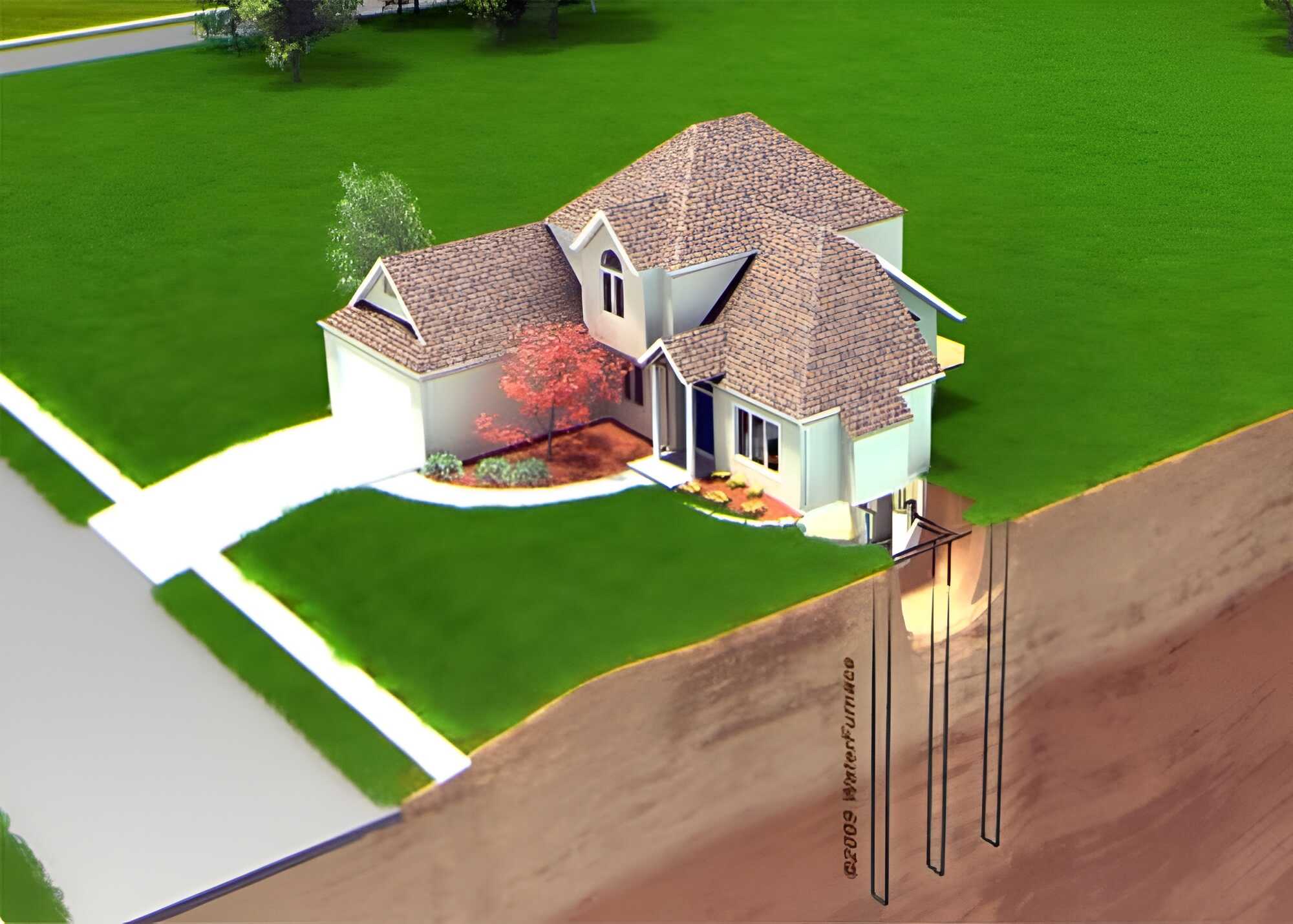
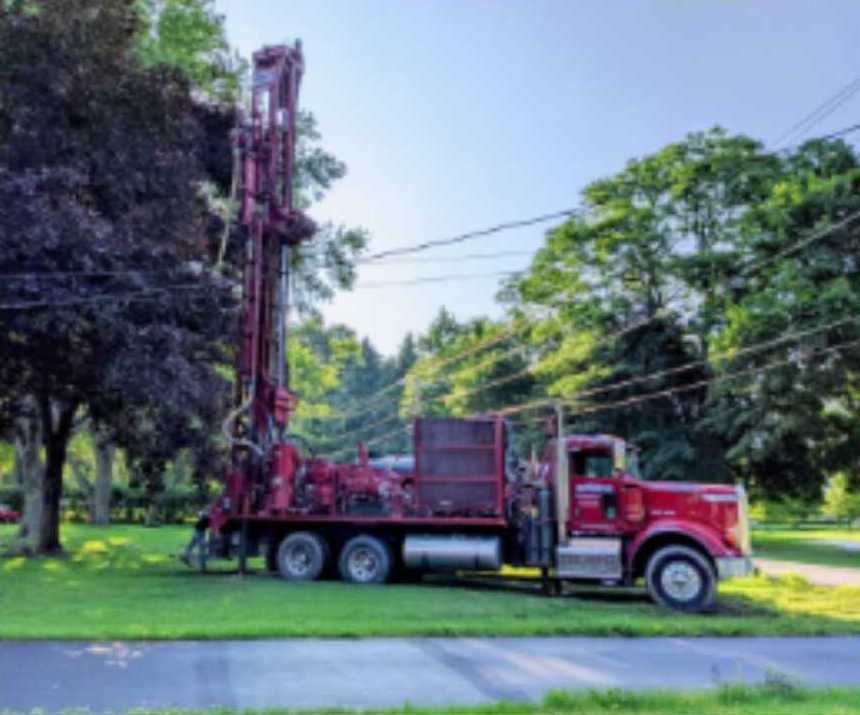
Pipes are drilled up to 500 feet into the ground, making this system ideal for sites with limited space.
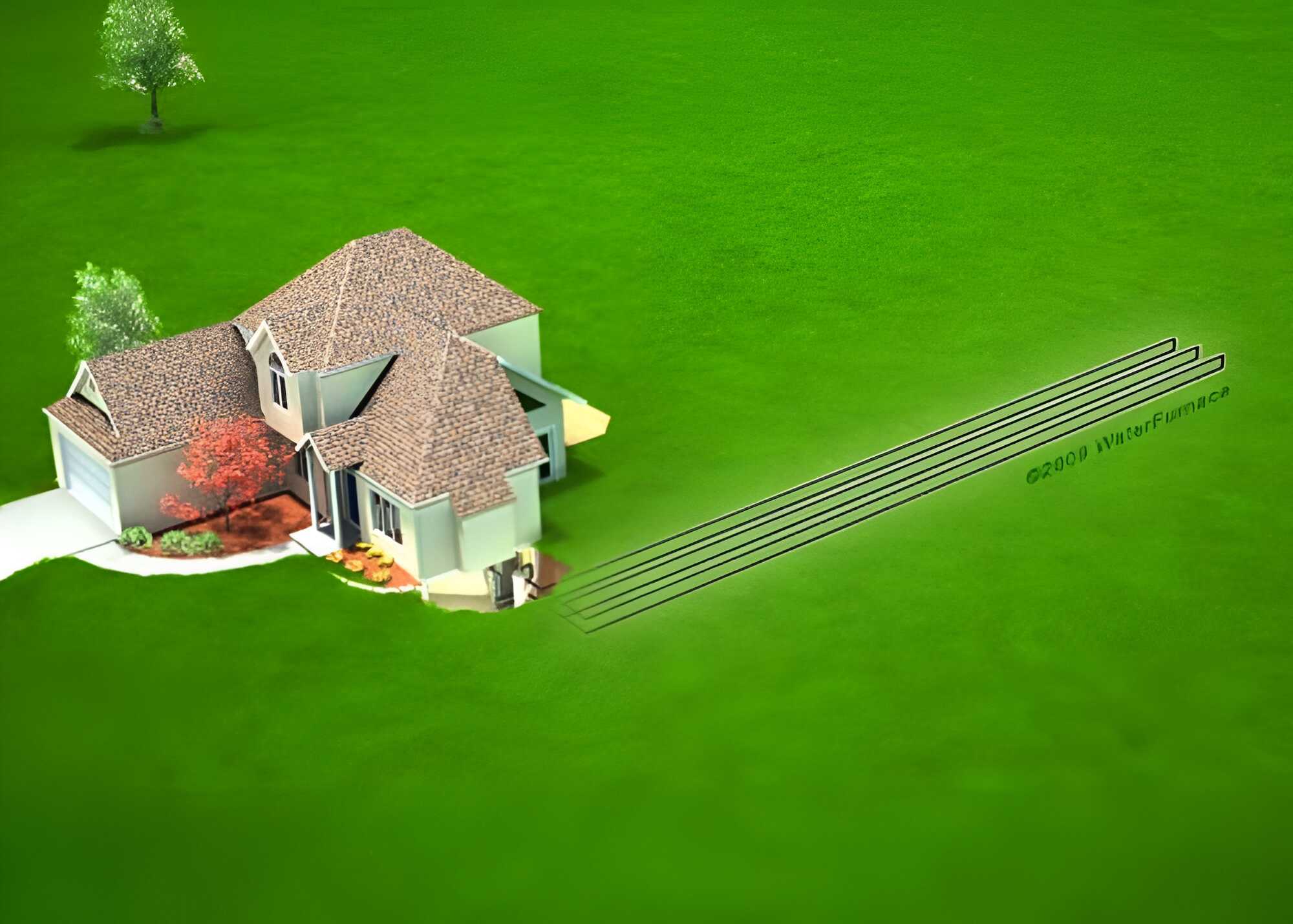
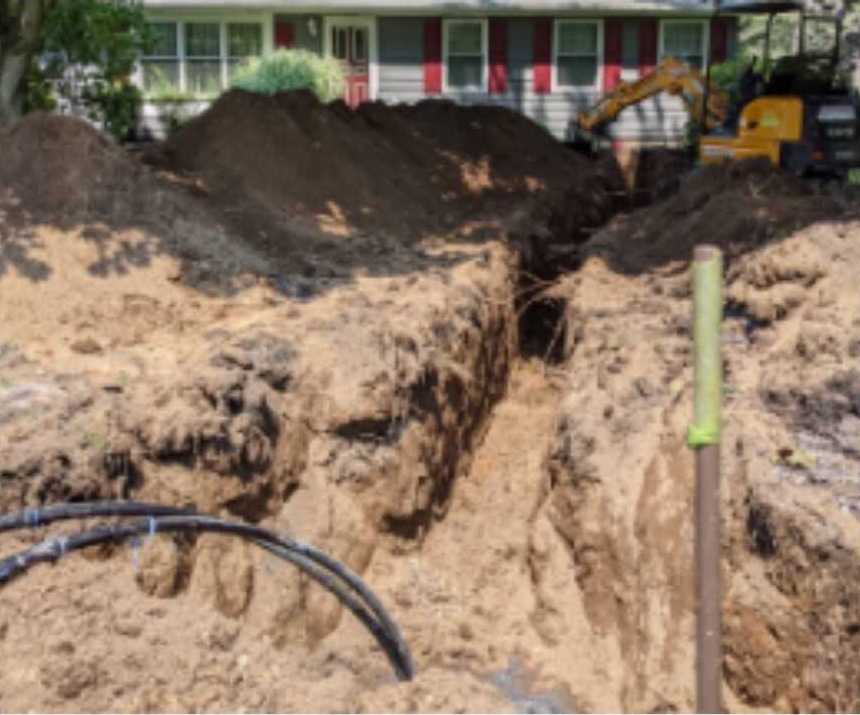
Pipes are laid in long trenches 8 feet underground, most cost effective solution for projects with available space.
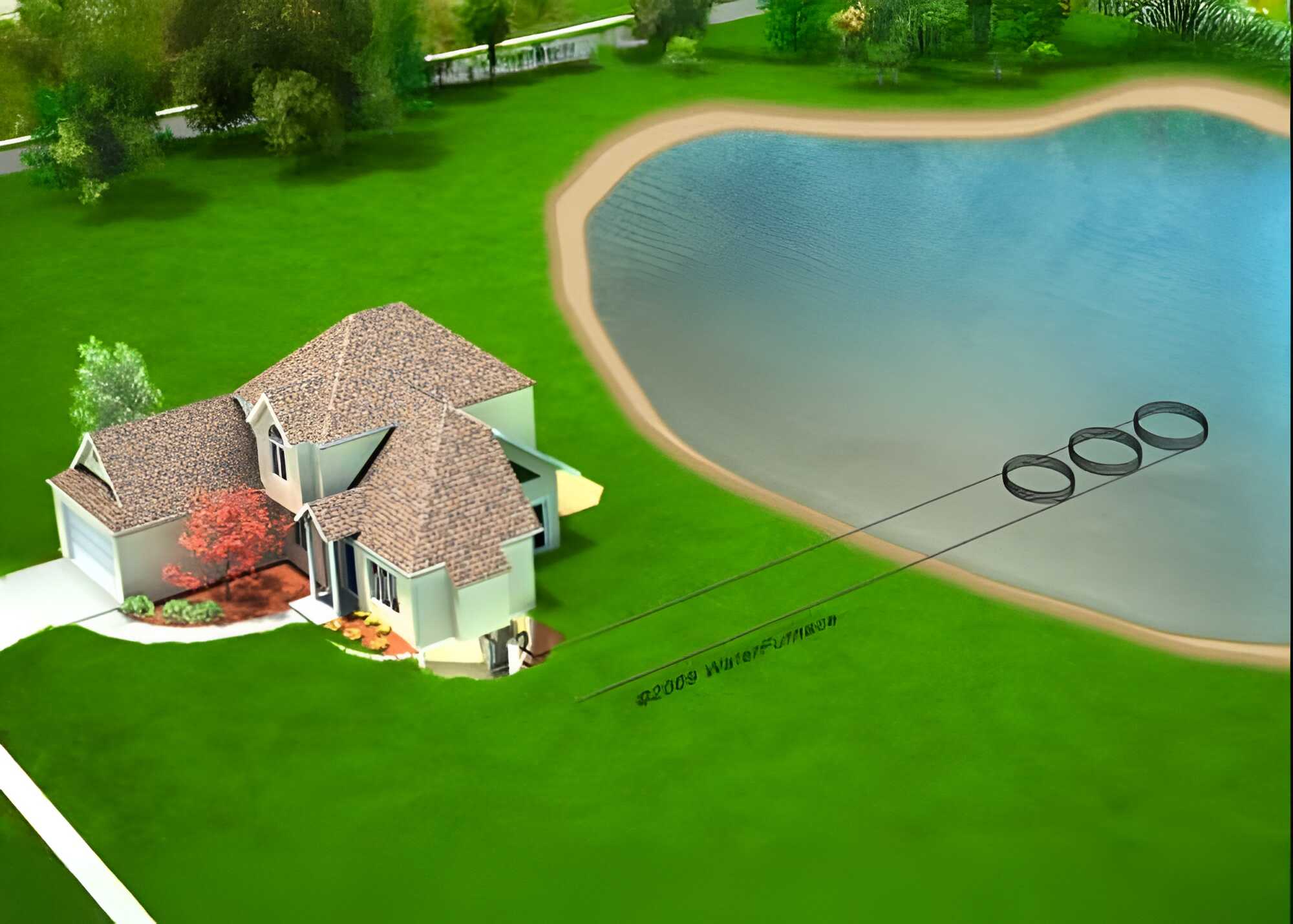
Coils of pipe are placed at the bottom of a pond, using the water as a heat exchange source.
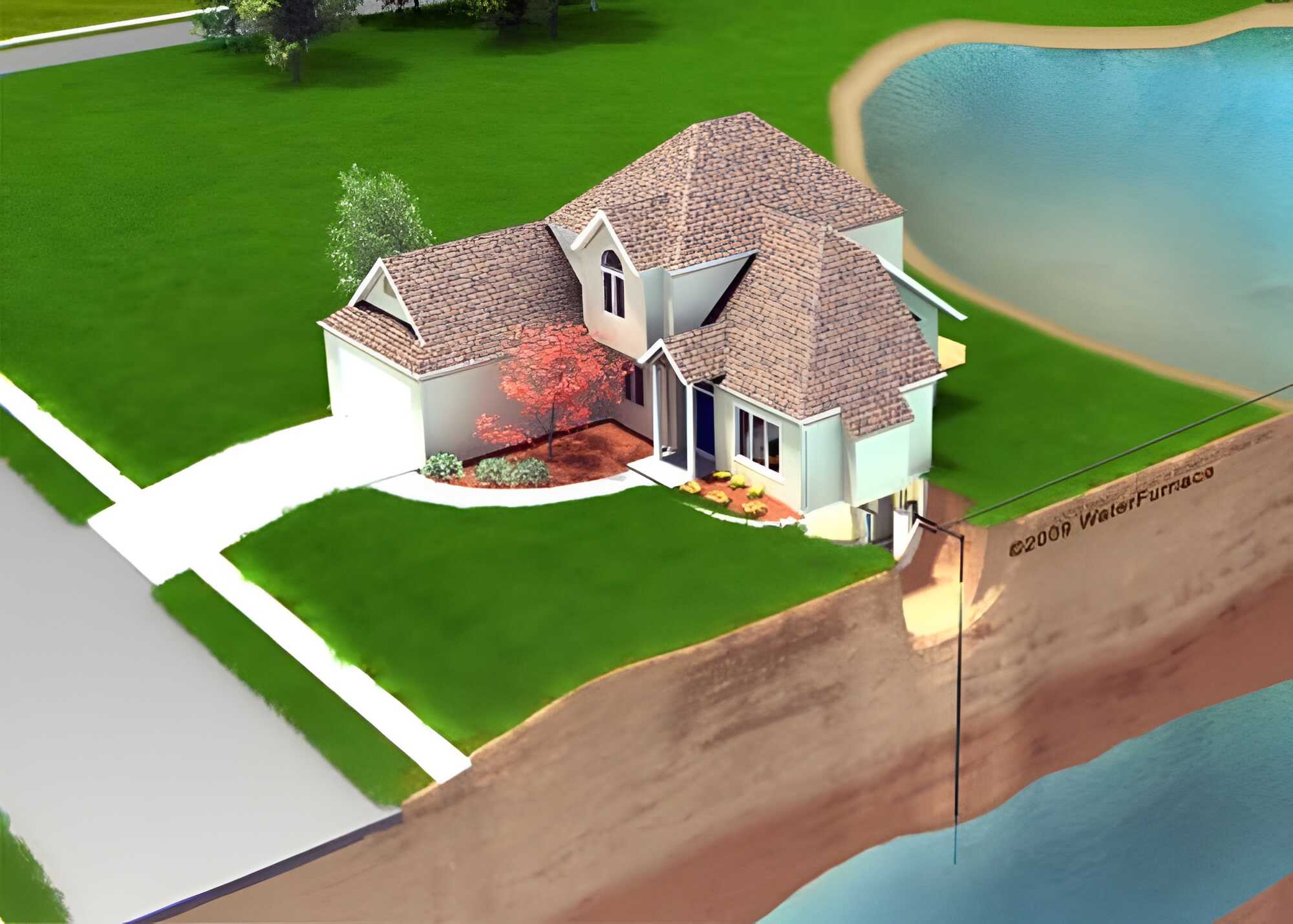
Uses groundwater from a well as the energy source, returning the water to a secondary well or discharge area.
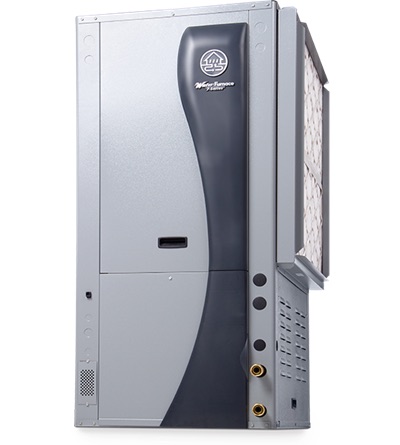
SEER: ~35-45 COP: ~3-6
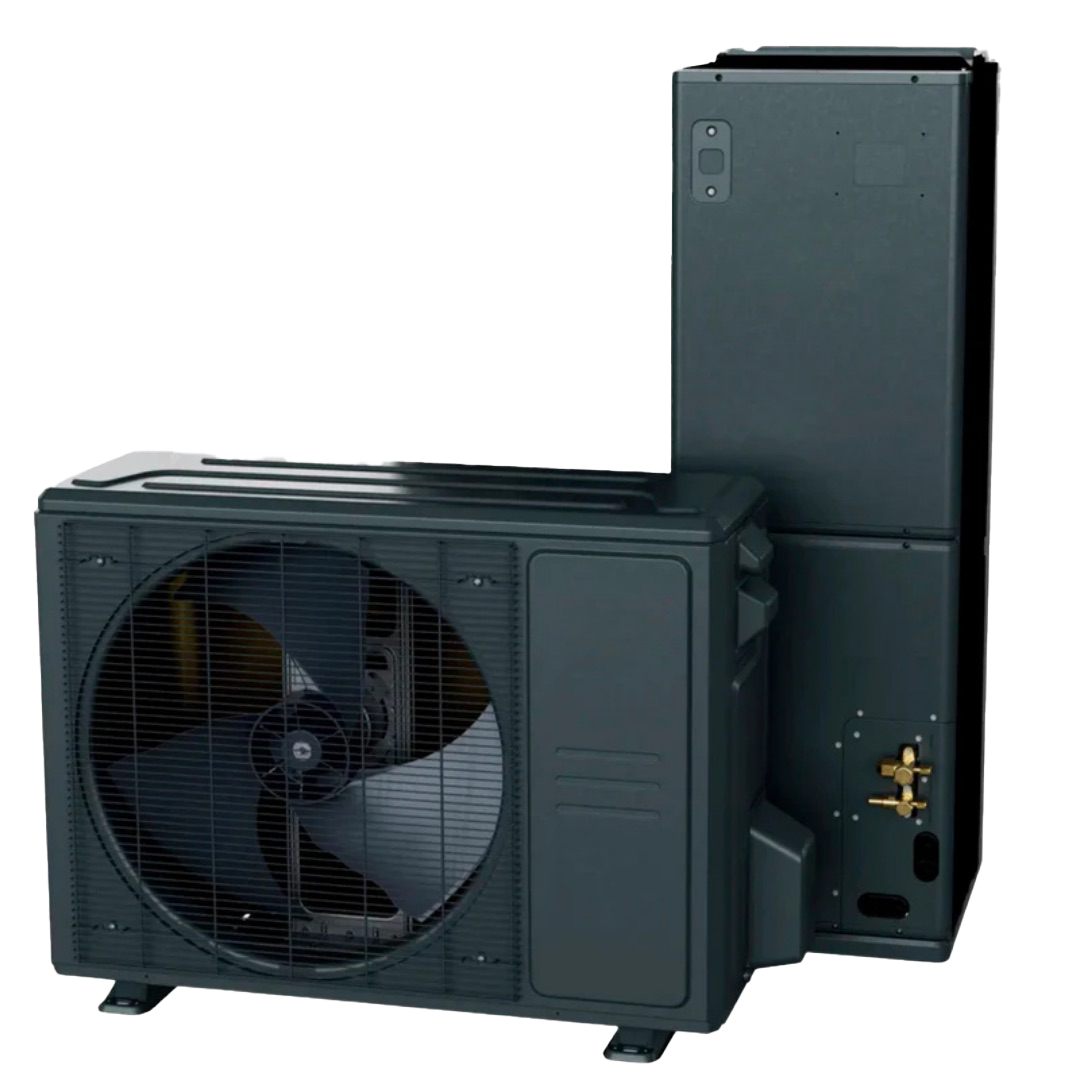
SEER: ~15-30 COP: ~3-5
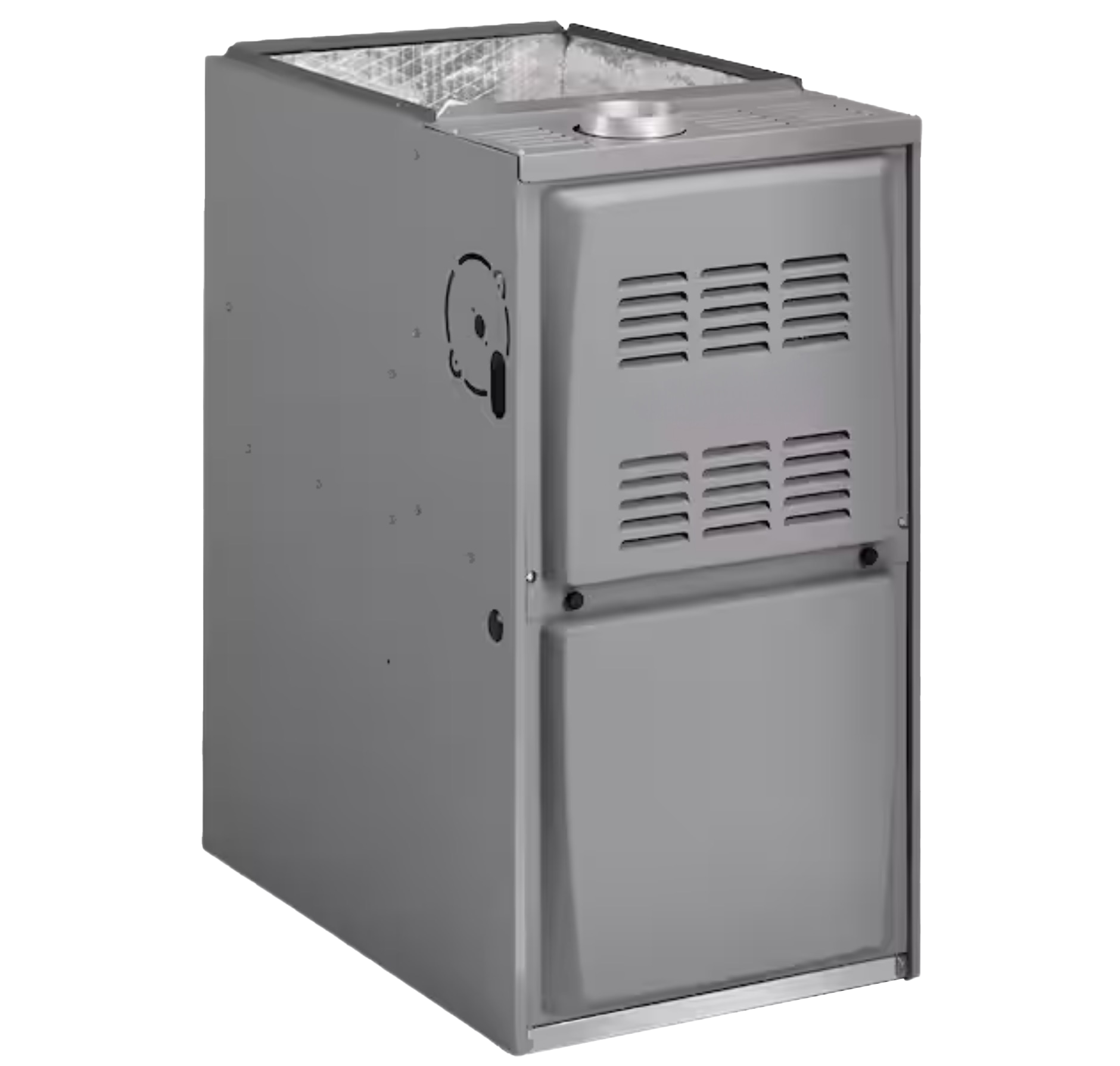
SEER: ~14-20 COP: ~1
Cooling efficiency for geothermal systems are usually rated using EER rather than SEER because they operate under stable temperatures. SEER values shown are approximate equivalents for comparison purposes.
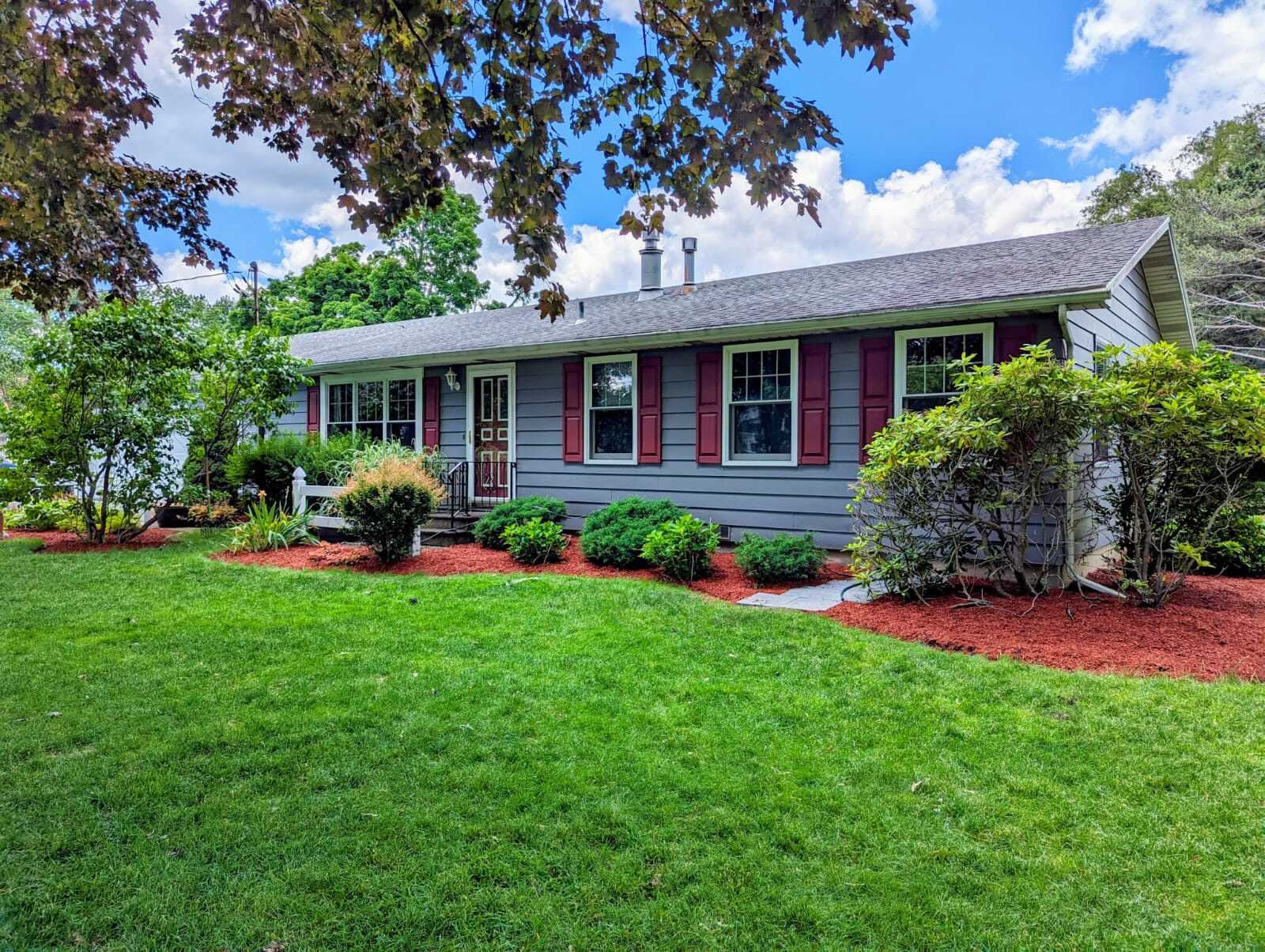
Supplemental heating isn’t necessary with geothermal because our system’s capacities aren’t affected by how cold it is outside.
A few feet beneath the surface, the earth’s temperature remains fairly constant ranging from 45°F or so in northern latitudes to about 70°F in the deep south-year round. A geothermal system takes advantage of this constant temperature to provide extremely efficient heating and cooling.
In winter, a water solution circulating through pipes buried in the ground absorbs heat from the earth and carries it into the home. The geothermal system inside the home uses a heat pump to concentrate the earth’s thermal energy and then to transfer it to air circulated through the distribution system to fill the interior space with warmth.
In the summer, the process is reversed: heat is extracted from the air in the house and transferred through the heat pump to the ground loop piping. The water solution in the ground loop then carries the excess heat back to the earth. The only external energy needed for the geothermal system is the amount of electricity needed to operate the ground loop pump, fan, and compressor.
Most residential installations are completed in just 3 to 5 days. Most of the "work" happens behind the scenes during the engineering and design phase. Once our team arrives on site, drilling or digging the loops and placing the system it is a streamlined process.
We install different loop fields for this reason! Unlike a horizontal loop field which requires more land surface area, a vertical loopfield meaures 6 inches in diameter. This loop field can also be installed under the design footprint of a new build, making it a great option for homes with limited space.
We strive to set our homeowners up with success with their geothermal systems by teaching them to handle simple, basic maintenance like chaning filters, clearning condensate drains, and checking pump water levels.
With zero fuel combustion, there are no burners to service and inspect, and no carbon monoxide risks to monitor.
CENTRAL HUDSON
CON EDISON
NATIONAL GRID
NYSEG / RG&E
ORANGE & ROCKLAND
All Participating NYS Utilities